
Pattaya Hotel News: Pattaya’s licensed hotel industry is facing mounting pressure as occupancy levels continue to slide, with operators pointing to the rapid growth of illegal accommodation providers as one of the biggest threats to the city’s hospitality sector. Despite Pattaya being home to 161 licensed hotels offering a combined total of approximately 32,650 room keys, average occupancy has now fallen to just 25 to 30 per cent, leaving many hotel owners deeply concerned about the industry’s future.
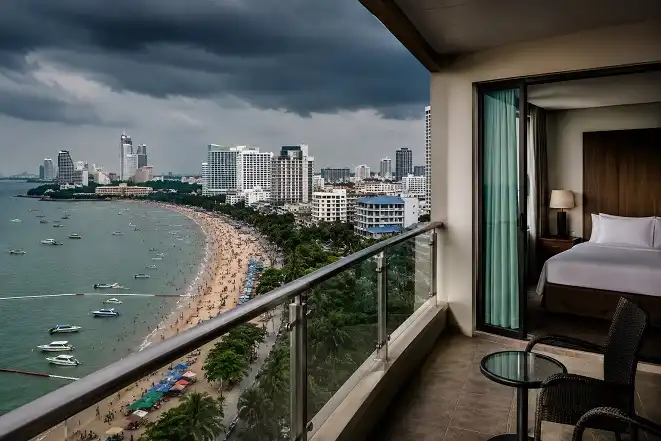
Image Credit: Pattaya Hotel News
This Pattaya Hotel News report examines the growing crisis affecting licensed hotels, which say they are losing valuable business to unlicensed hotels, villas, condominiums, and private residences that are being rented out to tourists as hotel accommodation without complying with Thailand’s hotel licensing laws. Industry representatives believe the situation has reached a critical stage and are urging authorities to take stronger enforcement action before further damage is done.
Licensed Hotels Struggling to Compete
Pattaya has long been one of Thailand’s leading tourism destinations, attracting millions of domestic and international visitors every year. The city’s 161 licensed hotels have invested heavily in complying with Thailand’s hotel regulations, including fire safety systems, building inspections, insurance requirements, taxation, staffing standards, and guest protection measures.

These legal obligations require substantial financial investment, yet hotel operators say they are competing against thousands of rooms being offered through unlicensed hotels, private villas, condominiums, and residential properties that avoid many of the same regulatory costs. As a result, these illegal accommodation providers are often able to offer lower nightly rates, placing licensed hotels at a significant competitive disadvantage.
Hotel owners argue that they are operating on an uneven playing field despite meeting all of the legal standards required to protect visitors and maintain Pattaya’s reputation as a quality tourism destination.
Illegal Accommodation Continues to Expand
The rapid growth of online booking platforms and social media has made it increasingly easy for owners of condominiums, villas, apartments, and private homes to market their properties directly to tourists looking for short-term accommodation.
Industry representatives believe many visitors are unaware they are booking accommodation that may not be legally licensed to operate as a hotel. Beyond the financial impact on legitimate businesses, concerns have also been raised about guest safety, emergency evacuation procedures, insurance protection, security standards, and compliance with building regulations.
Licensed hotel operators say stronger enforcement is urgently required to curb illegal accommodation and ensure that every provider offering short-term stays complies with the same legal standards.
Occupancy Falls to Critical Levels
With occupancy now averaging only between 25 and 30 per cent, many Pattaya hotels are struggling to cover their day-to-day operating costs. Fixed expenses such as utilities, maintenance, staff wages, insurance, and loan repayments remain constant regardless of guest numbers.
Many hotels have responded by introducing aggressive discount campaigns, promotional packages, and value-added incentives in an effort to attract more visitors. However, operators say these measures have done little to offset the increasing competition from illegal accommodation providers offering significantly lower prices.
Industry observers warn that if occupancy remains at current levels for an extended period, some hotels may be forced to delay renovation projects, reduce staffing levels, scale back future investment, or reconsider their long-term business operations.
Industry Calls for Stronger Enforcement
Hospitality leaders are calling on the relevant authorities to intensify inspections and enforce Thailand’s existing hotel laws more consistently. They believe that ensuring all accommodation providers operate under the same legal framework would create fair competition while enhancing visitor safety and protecting Pattaya’s international tourism image.
The licensed hotel sector also contributes significantly to Pattaya’s economy through employment, tax revenue, local purchasing, and investment in tourism infrastructure. Industry leaders argue that allowing illegal accommodation businesses to continue operating unchecked undermines legitimate investment, places thousands of jobs at risk, and weakens confidence in the city’s hospitality industry.
With 161 licensed hotels and approximately 32,650 room keys now experiencing occupancy rates of just 25 to 30 per cent, industry stakeholders believe urgent intervention is essential. They maintain that decisive enforcement against illegal accommodation providers would help restore fair competition, improve visitor confidence, protect employment, and support the long-term sustainability of Pattaya’s tourism economy. Without meaningful action, licensed hotels fear the current downturn could deepen further, affecting businesses, employees, investors, and the city’s reputation as one of Thailand’s premier tourist destinations.
For the latest on the hospitality industry in Phuket, keep on logging to Pattaya Hotel News.